
Hello. So, I originally wanted to make the theme of my blog about my daily life with Carol. After some reflection, I decided to redirect the angle of my platform from boring diary like entries, to blogs that focus on gaming culture.
I am still learning how to form and maintain online connections, and admittedly it is quite difficult. My focus is to follow various public relations accounts on Twitter that specialise in consulting pop culture and gaming companies. I hope this will help me understand their campaigns and evaluate who they prioritise as clients. Following major gaming companies such as Nintendo is a huge priority because their employees often interact with their tweets. This should allow me the opportunity to engage with the employees of influential companies. My objective is to form connections with them. They may even be interested in my blog. My following is small, but I am not disheartened. It’s a marathon, not a sprint.
As I navigate Twitter, I am learning that my preferred interaction style with gamers and gaming companies is through shared humor. Many games have inside jokes that only fans understand. I have started retweeting and replying to such threads because I think it is an engaging way to appear reachable and likeable. I have had some positive interactions with fellow gamers using this method.
Another way I communicate on Twitter is by navigating the ‘explore’ tab to see what’s trending. I often weigh in on trending video game topics to interact with my specific audience. But sometimes, I must go beyond gaming to increase interaction.
My goal is to establish online identity with positive interactions. I am determined not to repeat my mistakes of the past by associating my online presence with toxic behaviour.
My most significant past experience with online identity occurred almost 10 years ago. It was 2010, and immaturity stepped in the way of my ability to strategically and positively engage with the online gaming community. 14-year old me had joined an online clan called ‘murder666’ for the PlayStation 3 game ‘Resident Evil 5’. The clan was governed by an African-American man who would wave a handgun around on a webcam group chat full of underage girls. He would bark orders on which rival clan to verse, which game matches to record and what humiliating videos to create about rivals on YouTube. Since I sucked so badly at playing, my job was to troll people on fake accounts to get a reaction out of them. Here is a video someone recorded of me doing exactly that. Warning – it contains explicit language.
While I was well-liked in my strange gang-like clan, I had a strong following of haters. For good reason too. The online community of RE5 was full of hateful angry gamers who loved versing enemy clans. It was a good day if you had recorded an enemy clan member losing, put stupid music to the clip and uploaded it to YouTube ready for their humiliation.
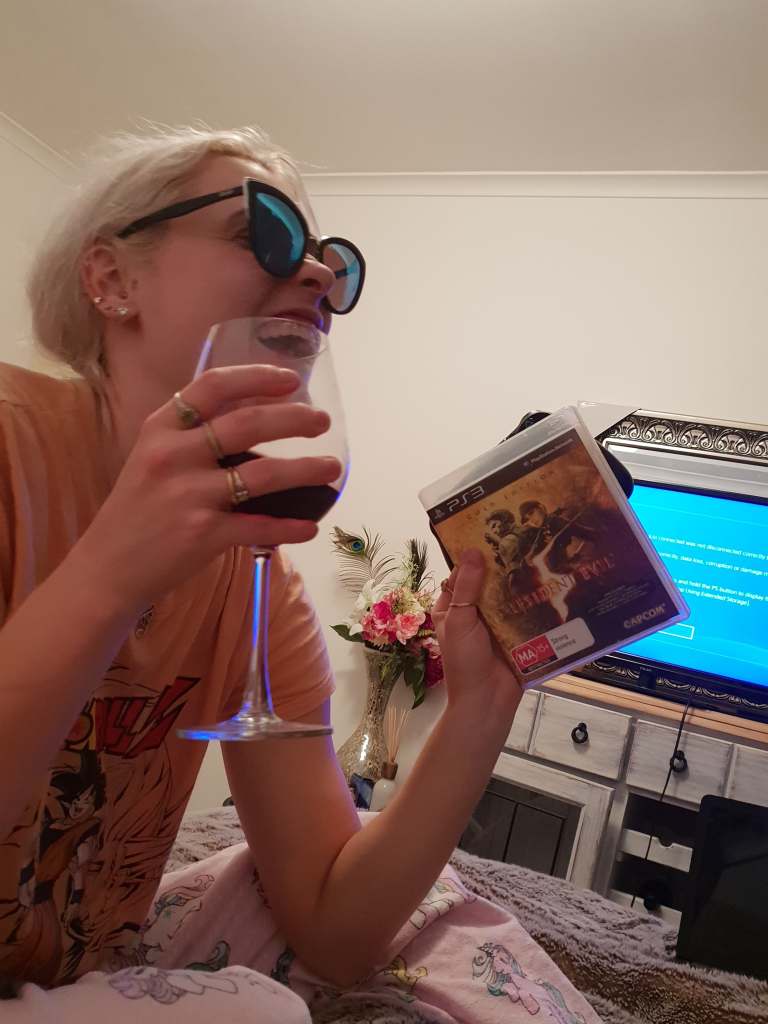
My fixation of elevating my social status within the online clan was a problem. I was immature and hurt myself and others by focusing too much on an online identity rather than my real-life identity. This experience in the gaming community was a huge eye-opener for me. I never realised that negative social media experiences could stem from online gaming. Here are some of the negative impacts I experienced:
1. I was seriously addicted.
I would race home after school to play online. Normally I’d start playing from 4pm and finish up at 12am. I neglected homework, sport and exercise just so I could play (Siddiqui and Singh, 2016).
2. It affected my behaviour.
I became so wound up in humiliating people online that I started to forget about my own life. I was moody, angry and withdrawn if I couldn’t play online for even one day (Siddiqui and Singh, 2016).
3. I started invading people’s privacy.
I was so fixated on humiliating rival members of my clan that I started finding their personal Facebook pages. I would take the most unflattering photo of them and incorporate the images into my YouTube videos (Siddiqui and Singh, 2016).
Moving forward, I only focus on positive online interactions. I do not reply or engage in any unacceptable behavior and I certainly will not be joining any online clans again.

References:
Siddiqui, S. and Singh, T. (2016). Social Media its Impact with Positive and Negative Aspects. International Journal of Computer Applications Technology and Research, [online] 5(2), pp.71-75. Available at: https://s3.amazonaws.com/academia.edu.documents/53391796/social_media_1.pdf?response-content-disposition=inline%3B%20filename%3DSocial_Media_its_Impact_with_Positive_an.pdf&X-Amz-Algorithm=AWS4-HMAC-SHA256&X-Amz-Credential=AKIAIWOWYYGZ2Y53UL3A%2F20191211%2Fus-east-1%2Fs3%2Faws4_request&X-Amz-Date=20191211T085313Z&X-Amz-Expires=3600&X-Amz-SignedHeaders=host&X-Amz-Signature=78e585b8e455ee47f6e6f86905b044bd1d54a293d2119d8013fee32b203e9922 [Accessed 14 Dec. 2019].
 Carol Chronicles